
From Work Mode to Game Mode: How the Right Chair Supports Everyday Comfort
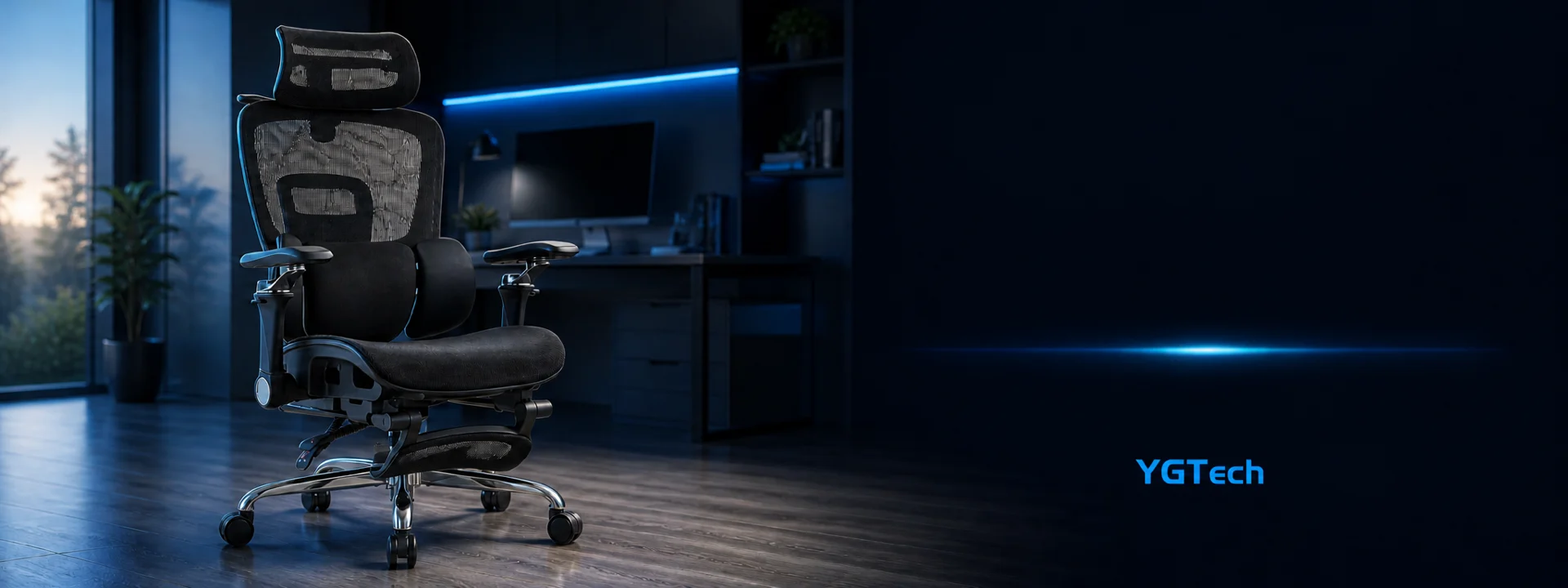
A practical guide to choosing and adjusting a chair for focused work, immersive play, and everything in between.
YGTech Editorial Team | Product & Workspace Insights
Ergonomic comfort begins with a chair that can adapt to the person, the task, and the moment.
A chair is not simply a place to sit. It is the point of contact between your body and every hour spent working, studying, creating, or gaming. The best designs make that contact feel natural rather than demanding attention.
Modern routines rarely fit into a neat eight-hour block. A home office may become a study space in the afternoon and a gaming setup at night. That means seating must do more than look good in a room. It should help the user change posture, reach controls comfortably, and stay supported as tasks shift throughout the day.
Ergonomics is often reduced to one feature—usually lumbar support—but real comfort comes from the way several elements work together. Seat height, backrest angle, armrest position, head support, material choice, and stability all shape how a chair feels over time. The goal is not to force one “perfect” posture. It is to make healthy movement and frequent adjustment easier.
Comfort Is a System, Not a Single Feature
A supportive chair starts with a stable base and a seat that distributes pressure evenly. From there, the backrest should follow the natural curve of the spine without pushing the user forward. Adjustable lumbar support is especially useful because body proportions and desk heights vary. What feels supportive to one person may feel intrusive to another, so the ability to fine-tune the contact point matters.
The armrests also deserve more attention than they usually receive. When they are positioned correctly, the shoulders can relax and the forearms can remain close to level with the desk. Multi-directional armrests—such as the 9D design shown in selected YGTech office-chair configurations—can accommodate typing, controller use, reading, and reclined breaks without asking the user to twist or lift the shoulders.
Mesh Office Chair or Upholstered Gaming Chair?
Both formats can be ergonomic, but they create different experiences. A mesh office chair emphasizes airflow, flexible support, and a visually lighter profile. It is a strong choice for warm rooms, shared offices, and users who prefer a responsive backrest. A padded gaming chair creates a more enveloping feel, with a pronounced backrest, separate cushions, and a strong visual presence that suits immersive setups.
The right choice depends on how the chair will be used. Someone who spends most of the day typing may prioritize breathable mesh and highly adjustable armrests. A user who alternates between upright work and reclined entertainment may value thicker padding, a footrest, and a broad recline range. YGTech chair designs shown in this collection offer recline angles up to 135 degrees, reinforced frames, and model-specific load ratings up to 150 kilograms. Exact specifications should always be confirmed on the individual product listing.

A reclined position and extendable footrest help the same chair transition from active use to restorative breaks.
Adjust the Chair to the Task
Even a well-designed chair cannot help if it is never adjusted. Start by setting the seat height so both feet rest securely on the floor and the knees remain close to a right angle. Move the chair close enough to the desk that the elbows can stay near the body. Then adjust the armrests so they support the forearms without lifting the shoulders.
Next, position the lumbar support where the lower back naturally curves inward. The contact should feel present but not aggressive. During focused work, keep the backrest relatively upright. During reading, calls, or gaming breaks, a controlled recline can reduce the feeling of holding one rigid posture for too long. Small changes made throughout the day are often more useful than chasing one permanent setup.
A Simple Buying Checklist
- Choose adjustment ranges that match the user’s height, desk, and preferred activities.
- Look for a stable base, durable frame, smooth casters, and clearly stated load capacity.
- Decide whether breathable mesh or padded upholstery better fits the climate and use case.
- Prioritize controls that are easy to reach while seated.
- Confirm model-specific dimensions and specifications before purchase.
The Best Chair Is the One You Keep Adjusting
A memorable chair design may attract attention, but long-term satisfaction comes from adaptability. When a chair supports focused work, relaxed conversation, and immersive play without requiring the user to fight the controls, it becomes part of the routine rather than an obstacle within it.
YGTech approaches seating as a flexible platform: stable enough for everyday use, adjustable enough for different tasks, and visually considered for modern rooms. The result is not one prescribed posture. It is a more comfortable way to move between the many modes of a real day.
Key takeaway: Choose a chair for adjustability, stability, and the way you actually use your space—not for appearance alone.